

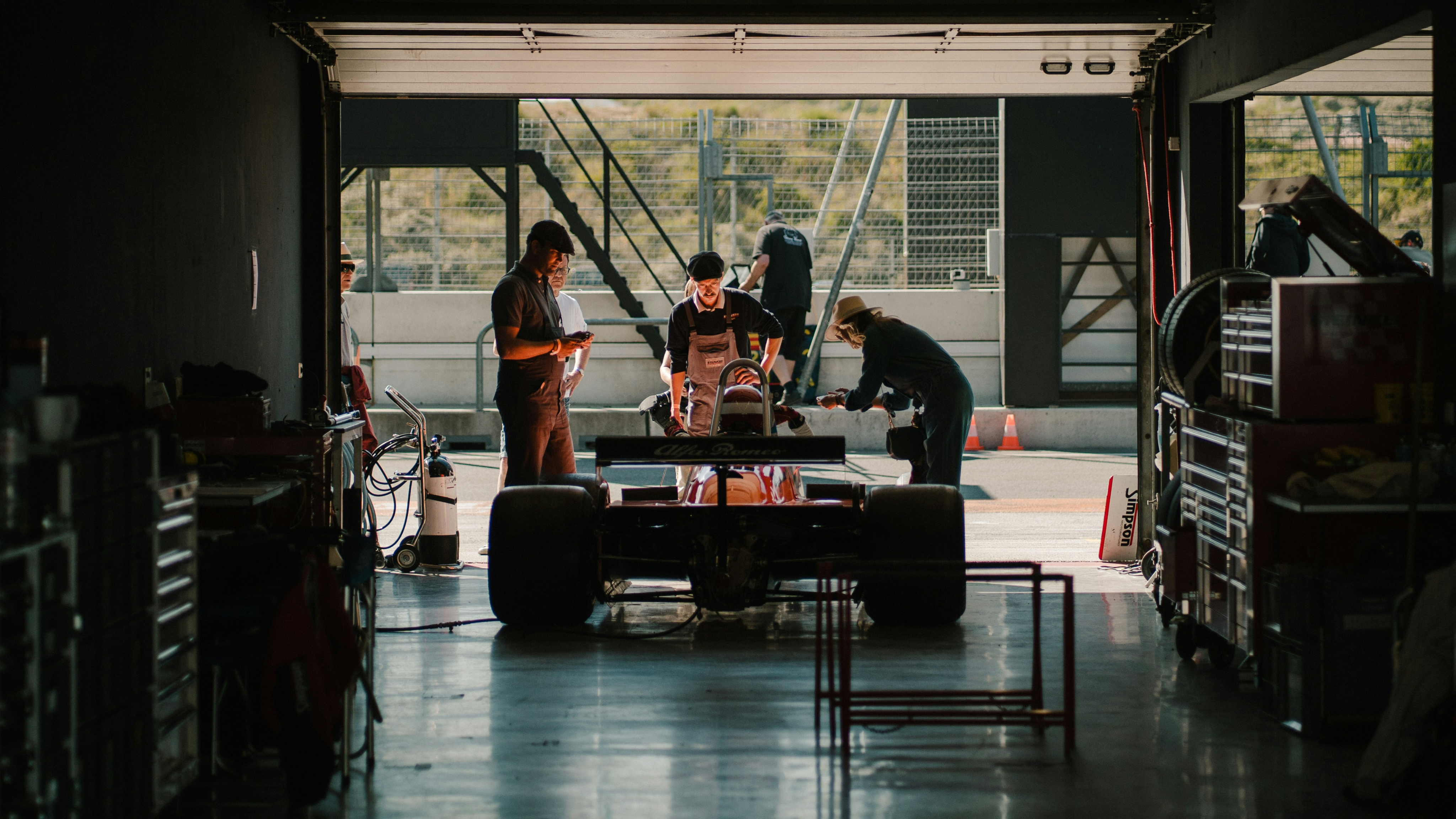
🏁 Race Weekend Format
The F1 weekend is a crescendo of competition.
It commences with practice, a critical period for fine-tuning the car to the specific track and climate. The tempo increases dramatically in qualifying, a session that separates the great from the good based on a single lap time. The weekend culminates in the race, a strategic marathon where overtaking, tyre preservation, and team communication are key.
The three-stage journey — Adapt. Accelerate. Overcome.
⚙️ Qualifying Structure (Q1–Q3)
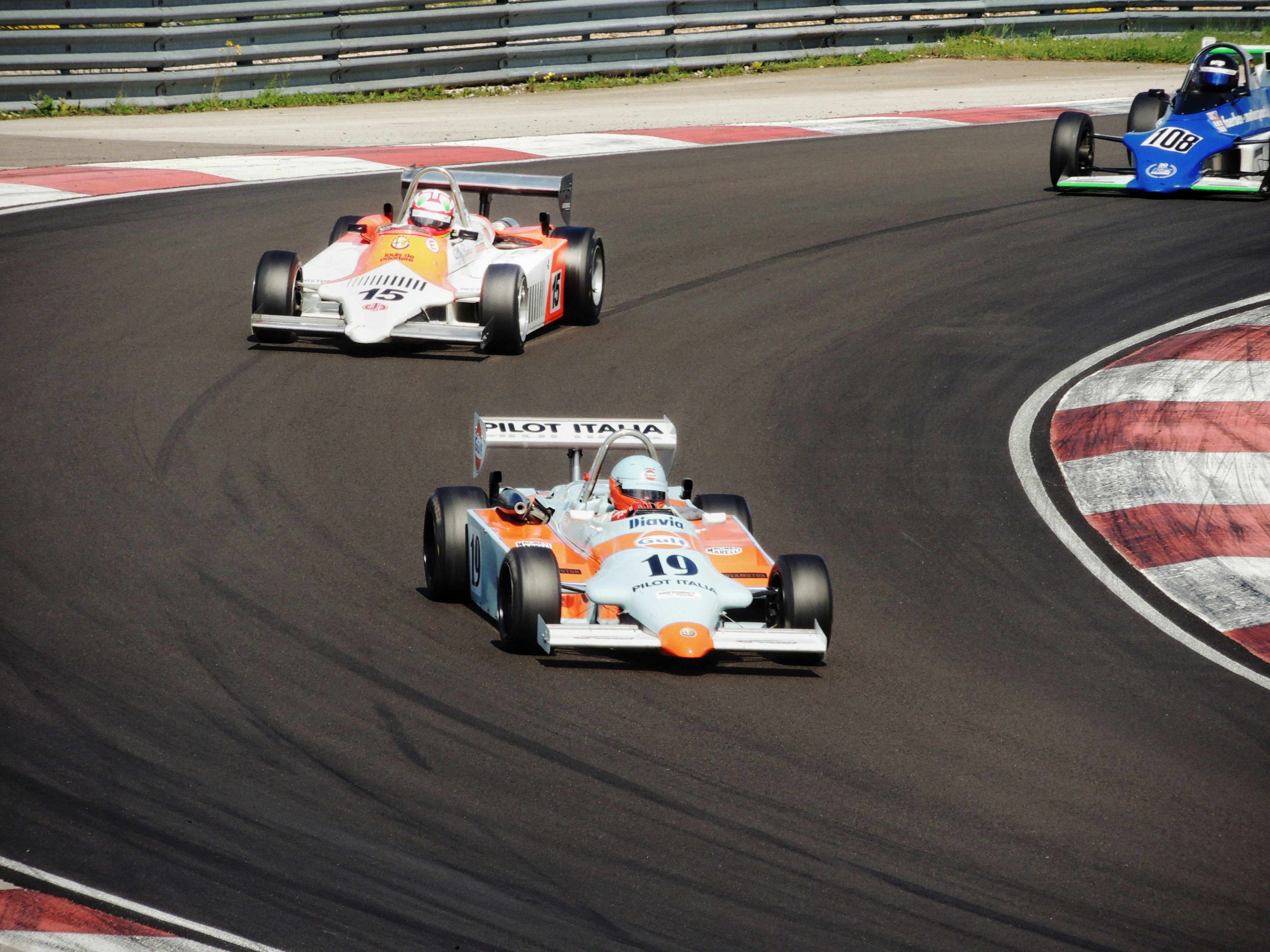
Qualifying is a tactical as well as a technical challenge.
Q1: The entire grid must set a competitive time, often on heavier fuel; five are eliminated. Q2: Strategy comes into play as teams may run the compound they wish to start the race on; another five are knocked out. Q3: A pure performance session with low fuel and the softest tyres to decide the top ten grid slots.
The quest for the perfect lap.
🏎️ Points & Championships
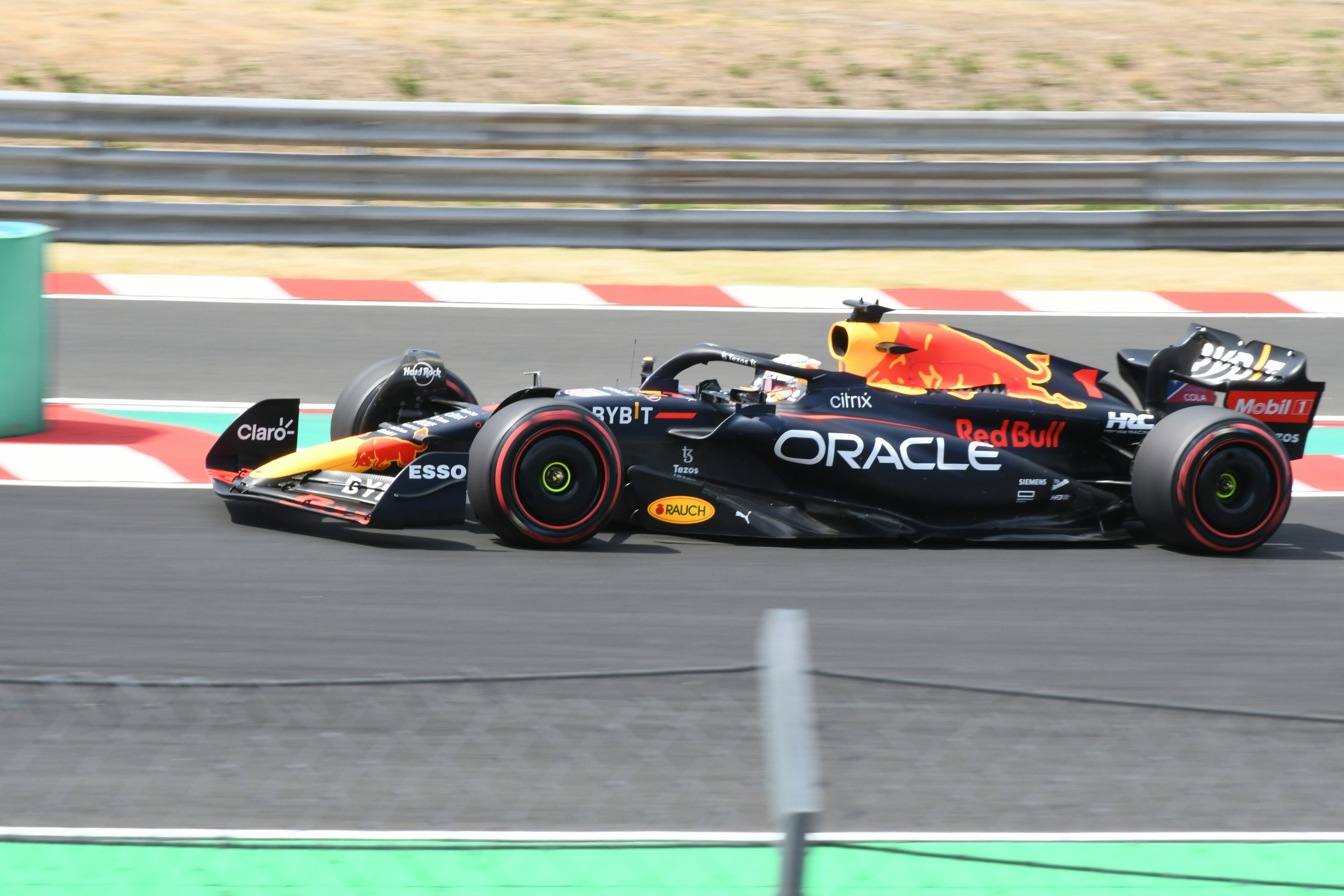
The championship is a marathon, not a sprint.
Points are awarded on a 25-18-15-12-10-8-6-4-2-1 scale to the top ten finishers. The driver who achieves the Fastest Lap and finishes in the top 10 secures one additional championship point. This points haul contributes to the two parallel championships: the Drivers' title for individual brilliance, and the Constructors' title, which is the sum of both drivers' points and crucial for a team's prestige and funding.
🚦 Pit Stops & Race Safety
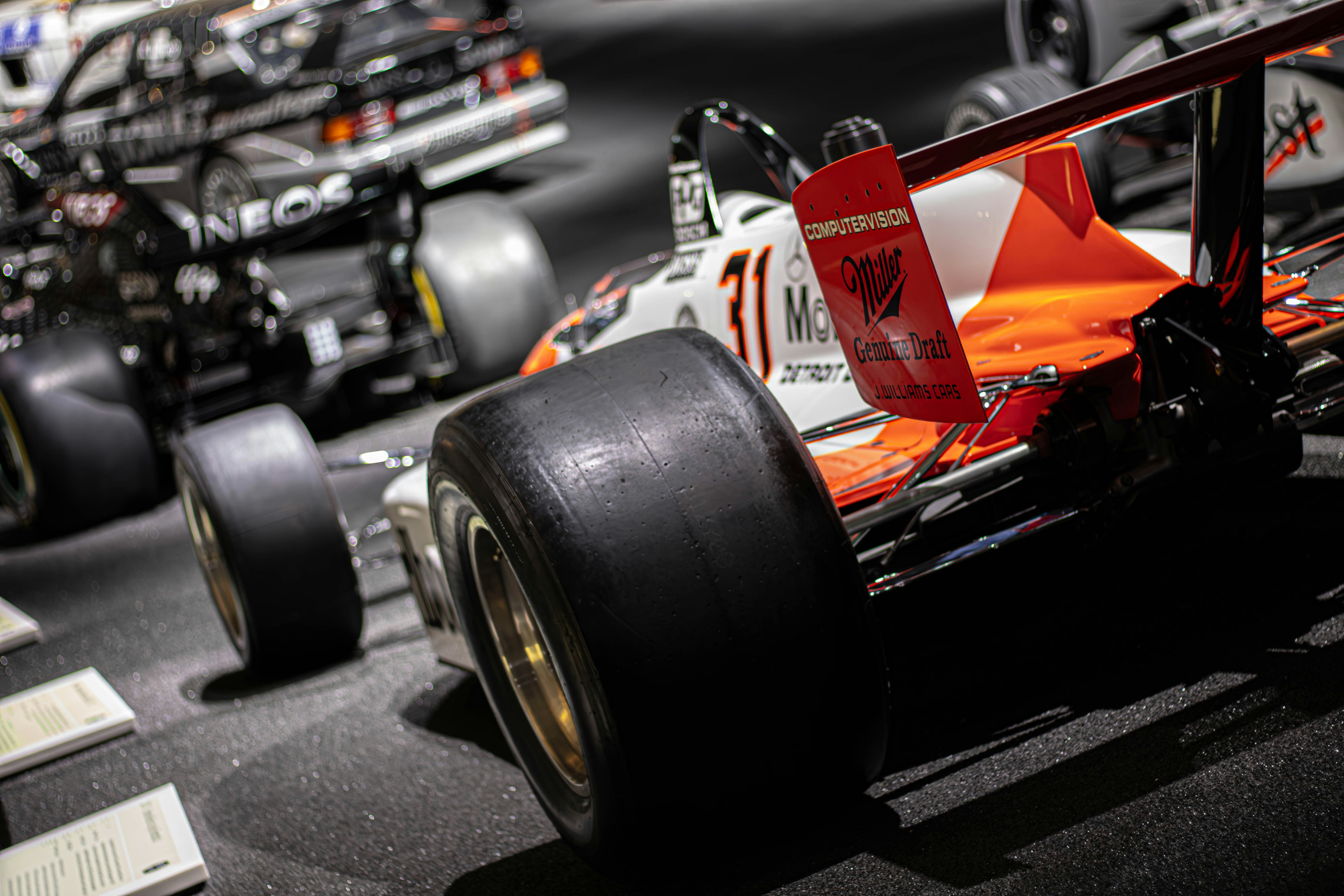
Victory is built on a foundation of flawless pit work.
The mandatory use of two dry tyre compounds necessitates pit stops, turning the race into a strategic battle of when to pit and which tyre to use next. A slow stop can destroy a driver's race, while a fast one can launch them into contention. Safety interventions like the Safety Car and VSC can nullify a leader's advantage, force everyone to rethink their strategy, and often create dramatic, race-changing scenarios.
🏁 Race Weekend Format
The F1 weekend is a crescendo of competition.
It commences with practice, a critical period for fine-tuning the car to the specific track and climate. The tempo increases dramatically in qualifying, a session that separates the great from the good based on a single lap time. The weekend culminates in the race, a strategic marathon where overtaking, tyre preservation, and team communication are key.
The three-stage journey — Adapt. Accelerate. Overcome.
⚙️ Qualifying Structure (Q1–Q3)
Qualifying is a tactical as well as a technical challenge.
Q1: The entire grid must set a competitive time, often on heavier fuel; five are eliminated. Q2: Strategy comes into play as teams may run the compound they wish to start the race on; another five are knocked out. Q3: A pure performance session with low fuel and the softest tyres to decide the top ten grid slots.
The quest for the perfect lap.
🏎️ Points & Championships
The championship is a marathon, not a sprint.
Points are awarded on a 25-18-15-12-10-8-6-4-2-1 scale to the top ten finishers. The driver who achieves the Fastest Lap and finishes in the top 10 secures one additional championship point. This points haul contributes to the two parallel championships: the Drivers' title for individual brilliance, and the Constructors' title, which is the sum of both drivers' points and crucial for a team's prestige and funding.
🚦 Pit Stops & Race Safety
Victory is built on a foundation of flawless pit work.
The mandatory use of two dry tyre compounds necessitates pit stops, turning the race into a strategic battle of when to pit and which tyre to use next. A slow stop can destroy a driver's race, while a fast one can launch them into contention. Safety interventions like the Safety Car and VSC can nullify a leader's advantage, force everyone to rethink their strategy, and often create dramatic, race-changing scenarios.